22 places to start. Follow whatever catches your eye.
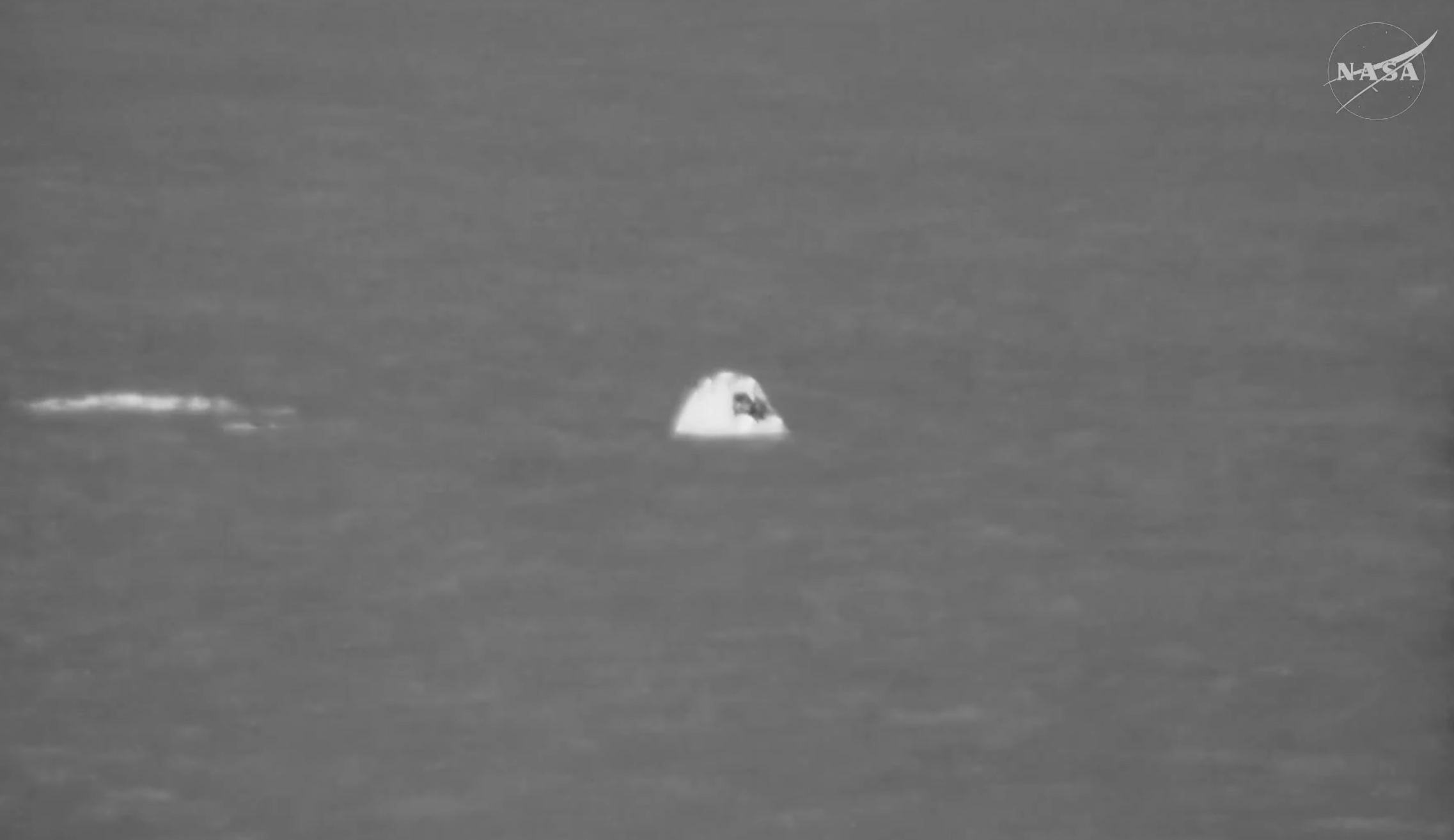
Artemis II
Artemis II Screenshots From NASA Stream space nasa rocketry.
Open the field notes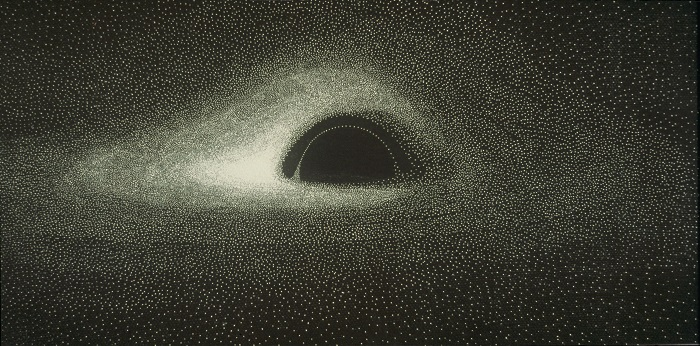
Black Hole
Black holes are both fascinating and scary!
Open the field notesCelestial Bodies
Celestial Bodies Nebulae en.wikipedia.org/wiki/Reflection\_nebula space.
Open the field notesDark Star
Dark Stars Overview A hypothetical star that was driven by annihilation of matter and dark matter rather than the typical nuclear fusion normal matter like in all known s
Open the field notesExotic Matter
Exotic Matter Overview There are hypothesized forms of matter that would fit into known laws of the universe and explain the behavior of some things, but hasn’t been obse
Open the field notes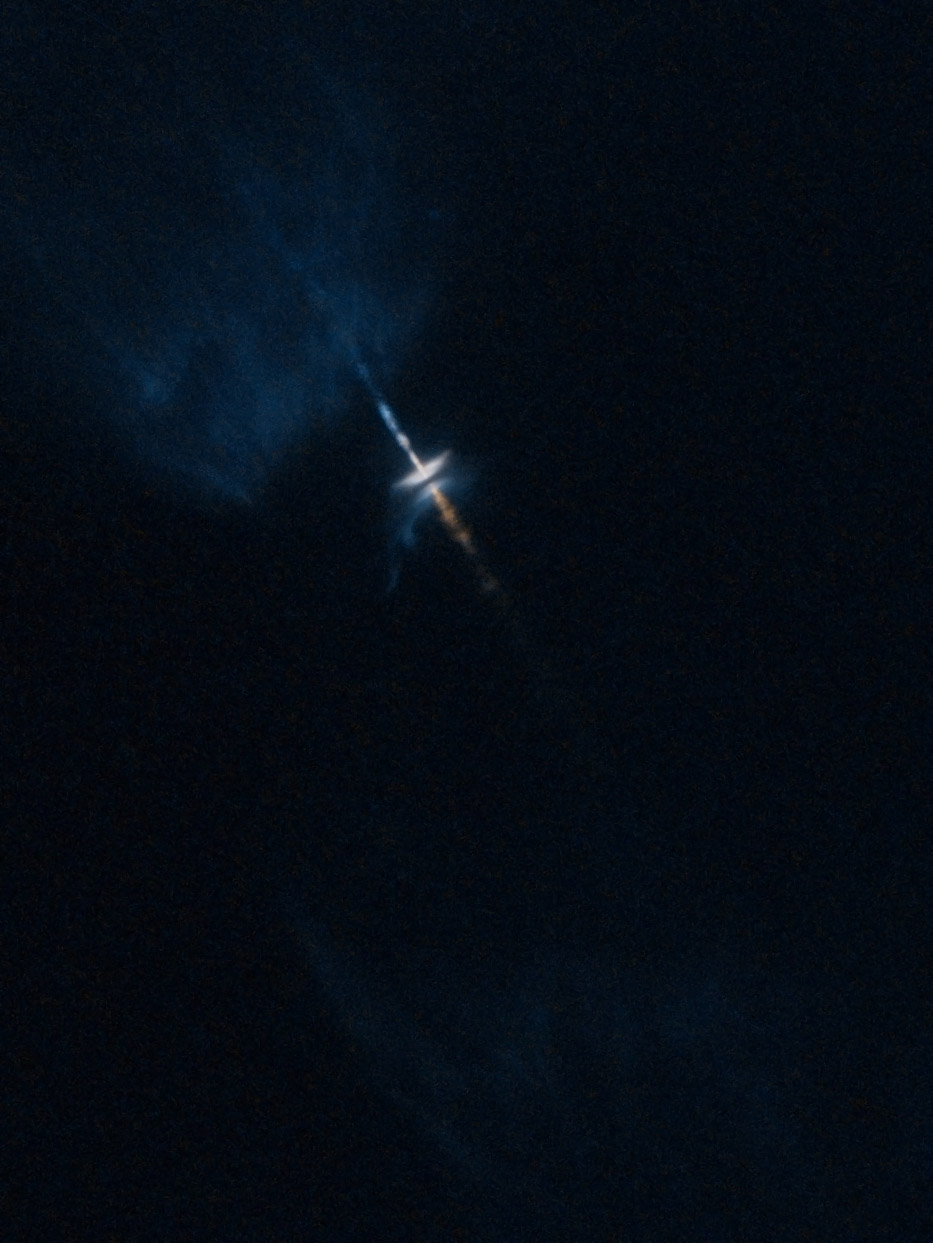
HH 30
HH 30 Overview Also known as V1213 Tauri, is a protoplanetary disk over 300 light-years from Earth. space stars.
Open the field notesHypothetical Star
Hypothetical Stars Overview A hypothetical star is speculated or theoretical type of star that has never been observed, but could exist even as alternatives to black hole
Open the field notesLight-year
Light-year This distance light travels over the course of one year.
Open the field notes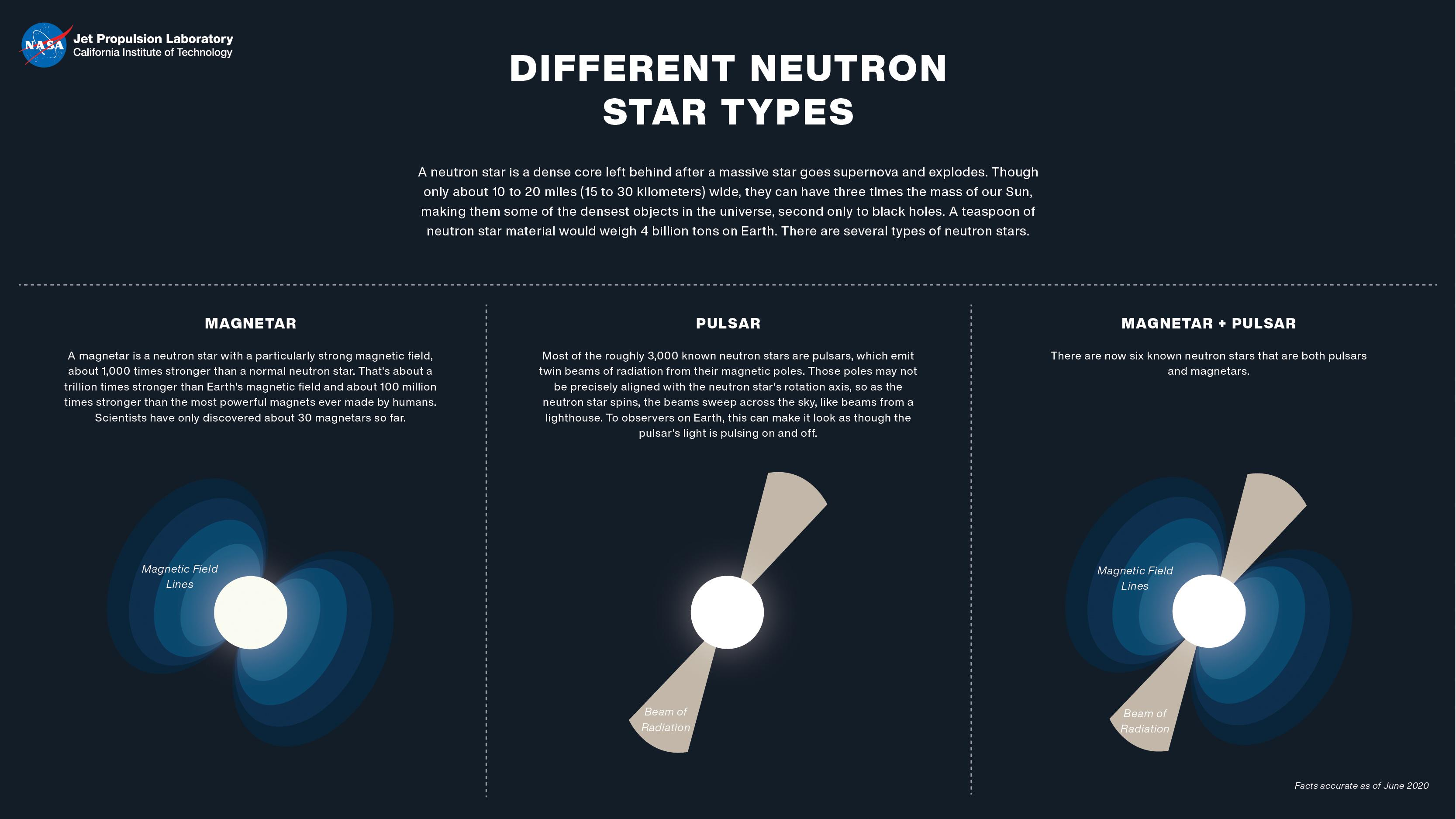
Magnetar
Magnetar Overview Magnetars are a type of neutron star, which are characterized by an extremely powerful magnetic field and a tendency to rotate slightly slower (~0.1-0.5
Open the field notesNeutron Star
Neutron Star Overview Neutron stars are the collapsed remains of stars that have experienced a supernova.
Open the field notesOrbital Mechanics
Orbital Mechanics Altitudes Low Earth Orbit (LEO) Altitude: 200-2,000 km Velocity: 7.7-6.9 km/s Orbital Period: 1h29min-2h8min Geostationary Orbit Altitude: 42,000 km Vel
Open the field notesPlanet X
Planet X Overview Coming soon! space planets.
Open the field notesPulsar
Pulsar Overview Pulsars are rotating neutron stars that with a strong magnetic field (see magnetars) that emit electromagnetic radiation out of their poles.
Open the field notesQ Star
Q Stars Overview Q stars, also called gray holes, are hypothetical stars made of exotic matter.
Open the field notesQuasar
Quasar Overview Coming soon! space galaxies.
Open the field notes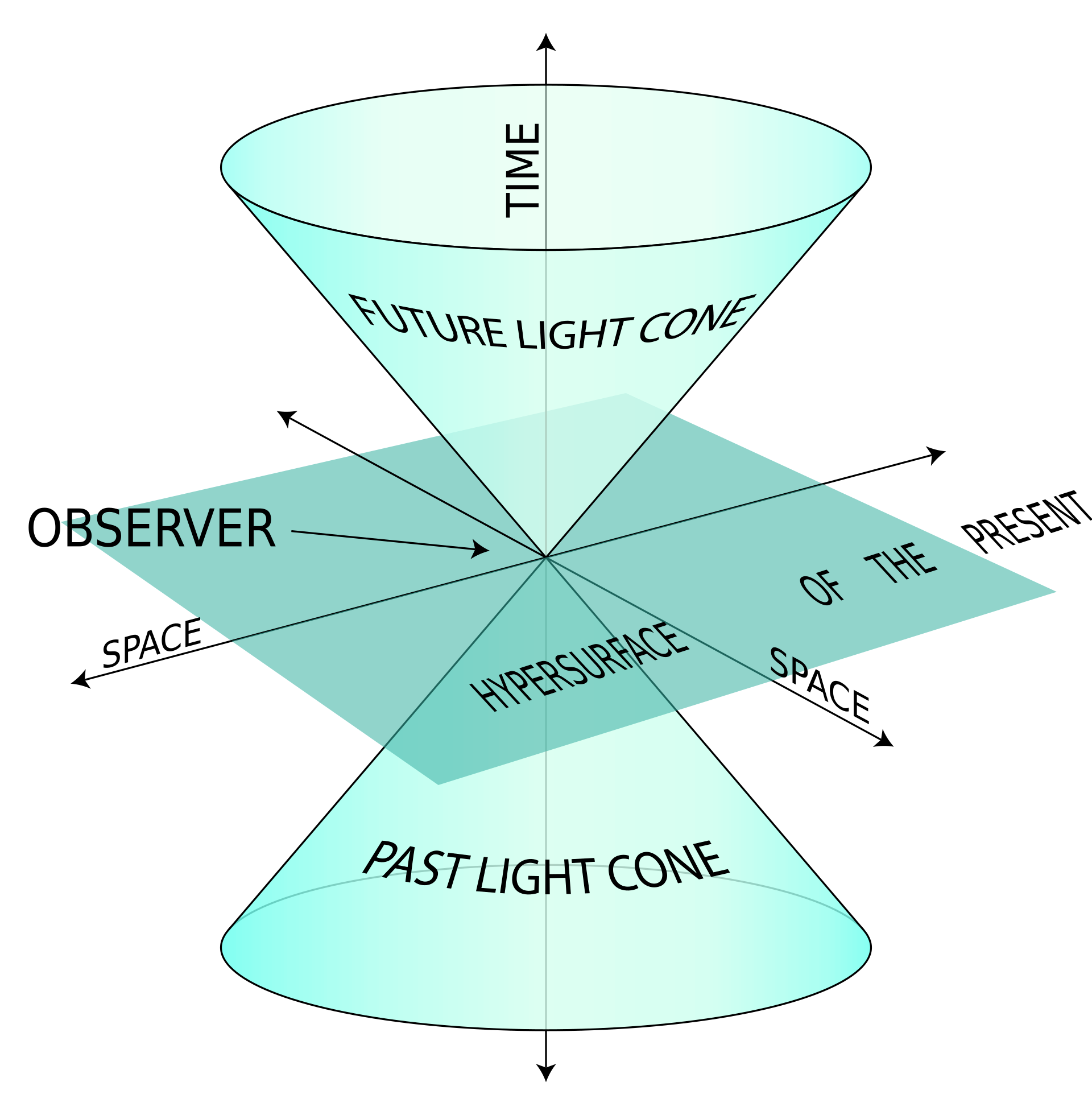
Spacetime
Spacetime Overview Spacetime is the fundamental fabric of reality and, when talking about our perspective of the universe, involves both space and — you guessed it — time
Open the field notesSupernova
Supernova Overview Coming soon! space stars astrophysics.
Open the field notesTelescope Parts List
Telescope ~$850 RedCat 51 APO Mount + Tripod: ~$1500 Sky-Watcher HEQ5 Camera: ~$150 ZWO ASI120MM Mini Monochrome Tracking Scope: Tracking Camera: space astrophotography.
Open the field notes
Vostok 1
Vostok 1 Overview The first manned spaceflight in human history.
Open the field notesWhite Dwarf
White Dwarf Overview Coming soon! space stars.
Open the field notesWhite Hole
White Hole Overview A white hole is the theoretical opposite of a black hole.
Open the field notesWormhole
Wormhole Overview Hypothetical structure in spacetime that connects two points separated by an arbitrary distance.
Open the field notes